Category: Photography
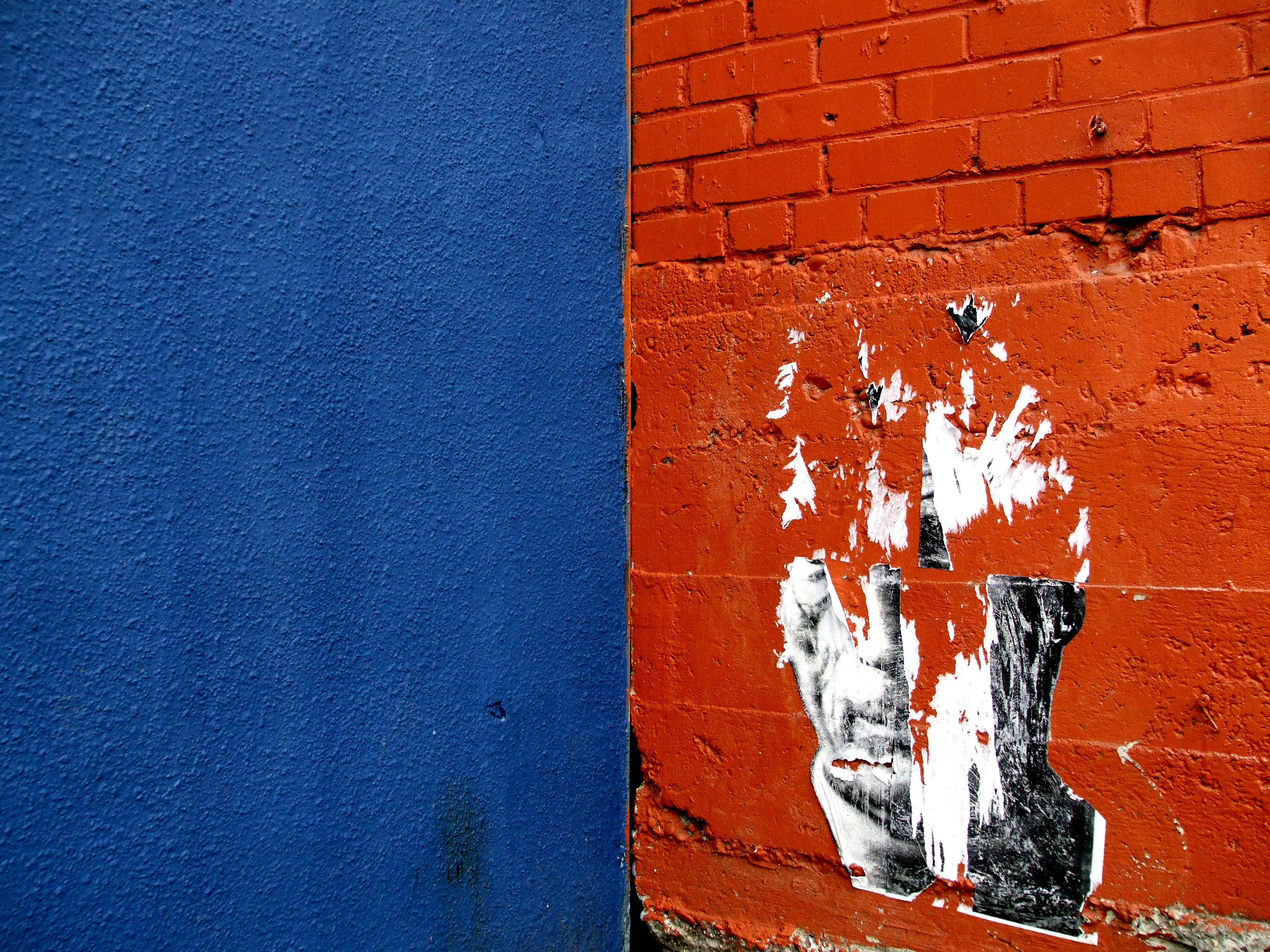
Red and Blue Series
Red and Blue Series
Shore and Penn
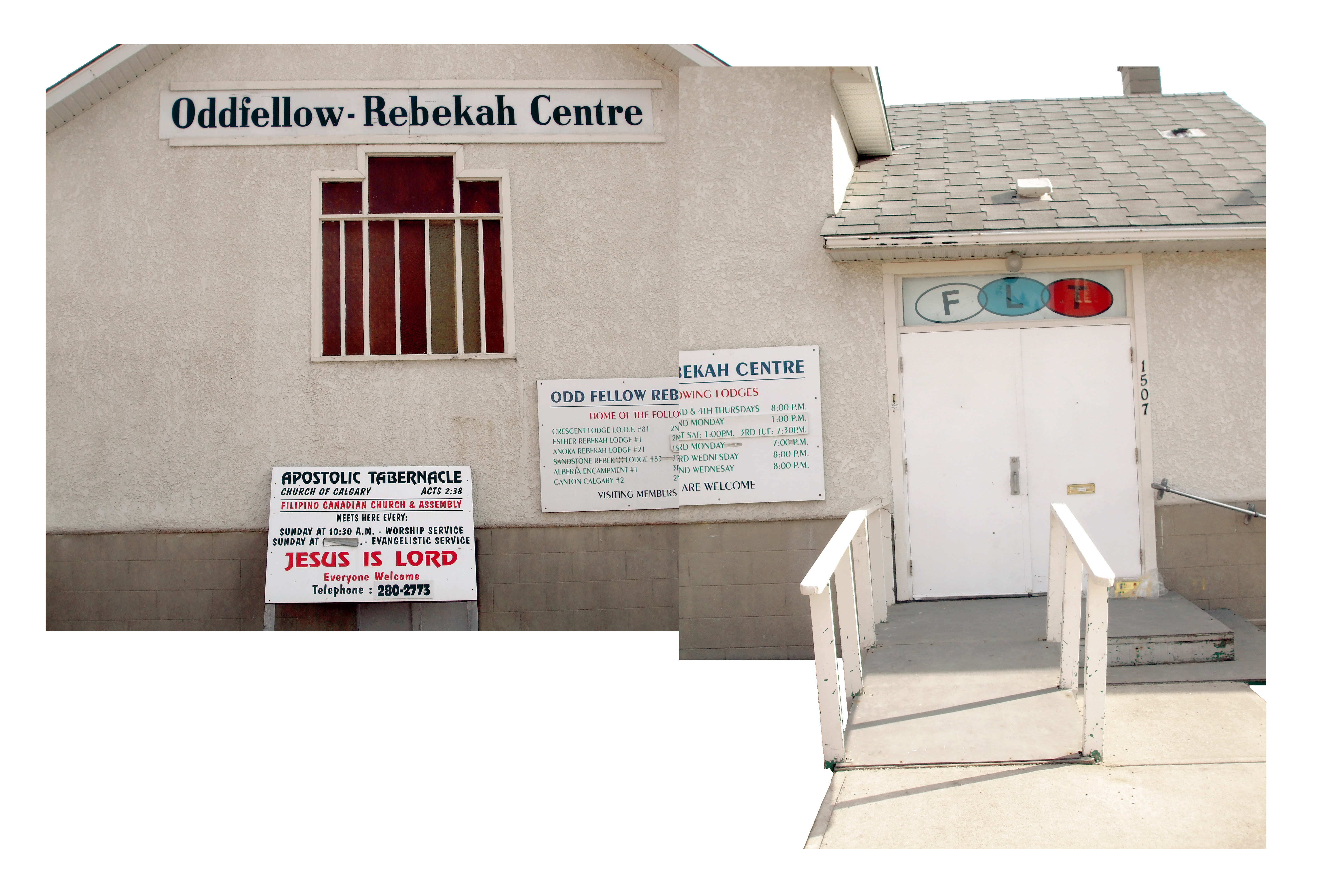
In the book, The Nature of Photographs, author Stephen Shore writes: “For some pictures the frame is active. The structure of the picture begins with the frame and works inward…the world of the photograph is contained within the frame. It is not a fragment of a larger world.” Shore used his 1975 photograph, El Paso Street, El Paso, Texas to illustrate his point. I began to question if there were other ways in which the content of a photographic image could be isolated. Irving Penn did it when he isolated his subjects from their surroundings. This photograph is still a document of a place, but it is also an aggregate of geometric shapes and colours. By abstracting the building from it’s surroundings it becomes more about the latter. It’s a kind of combine of the methods of Shore and Penn.
Fun Chapel
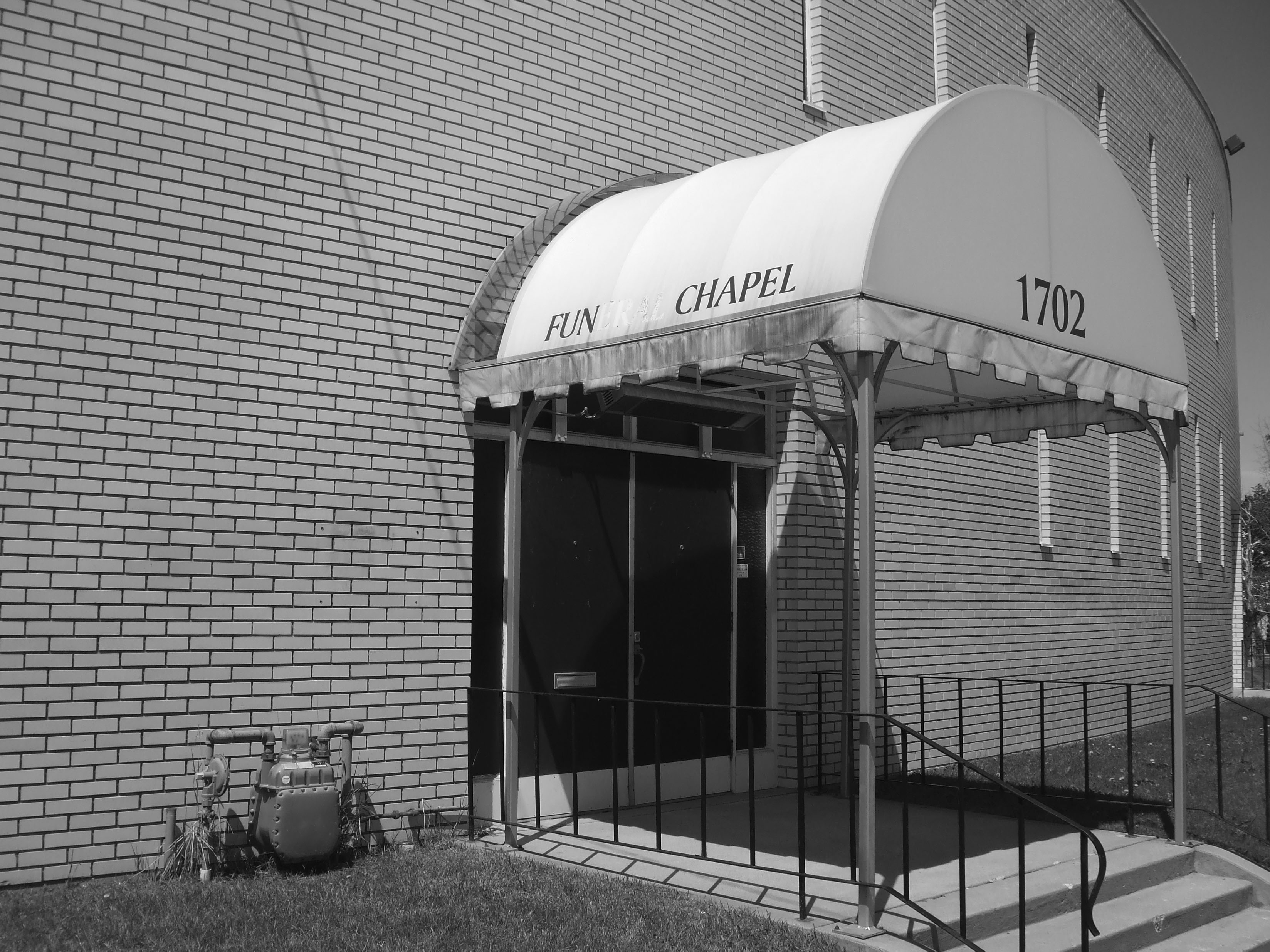
One of the things I enjoy about photography is it’s ability to transform the world into pictures, which seems like a ridiculously obvious thing to say – the transforming part that is. In becoming pictures a new world is created. After I’ve taken a photograph I usually stop thinking about it’s connection to what was photographed and think only about the world of the photo itself and sometimes it’s relation to other photographs. For example, something I thought of as ugly in the world can become beautiful in a photograph; a badly designed building becomes interesting as a design element in a well composed image; relationships that didn’t exist between things are created by their inclusion together in a frame, or between frames (as in Bern and Hilla Becher’s photos) . This picture doesn’t have much to do with that. I just like how the Funeral Chapel, with the erasure of a few letters, has become the Fun Chapel.
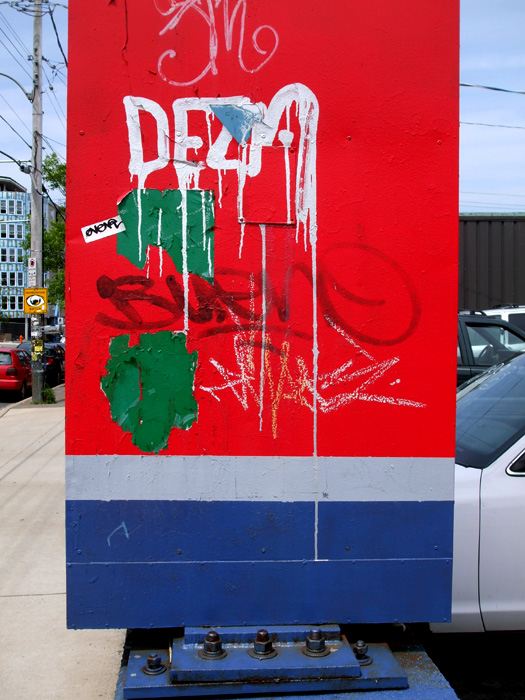
Red and Blue Series
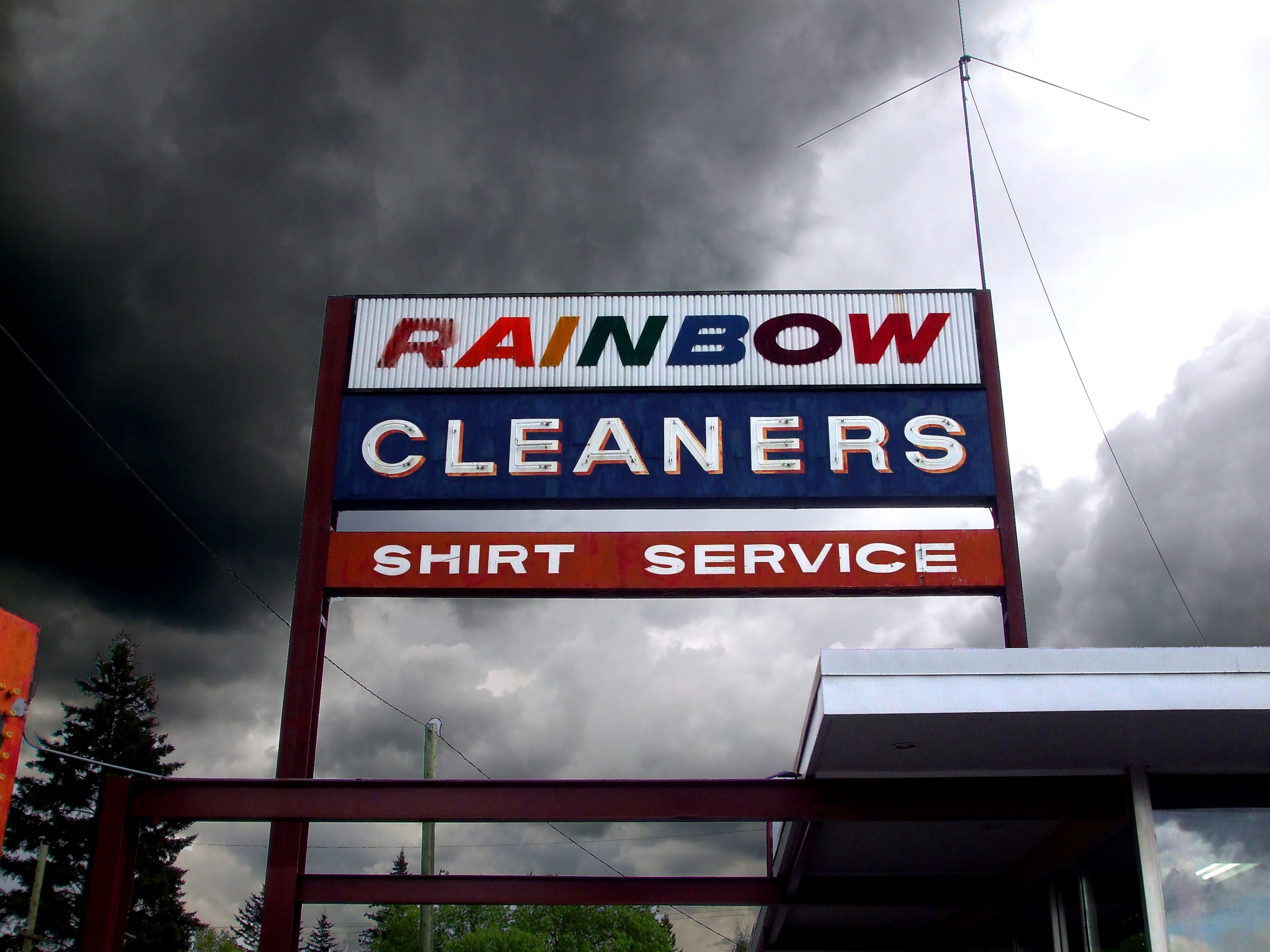
Initially I saw this photo as a kind of visual joke. Later, as I was trying to find some order to the photos I’d taken I noticed that a large number had some degree of red and blue in the palette.
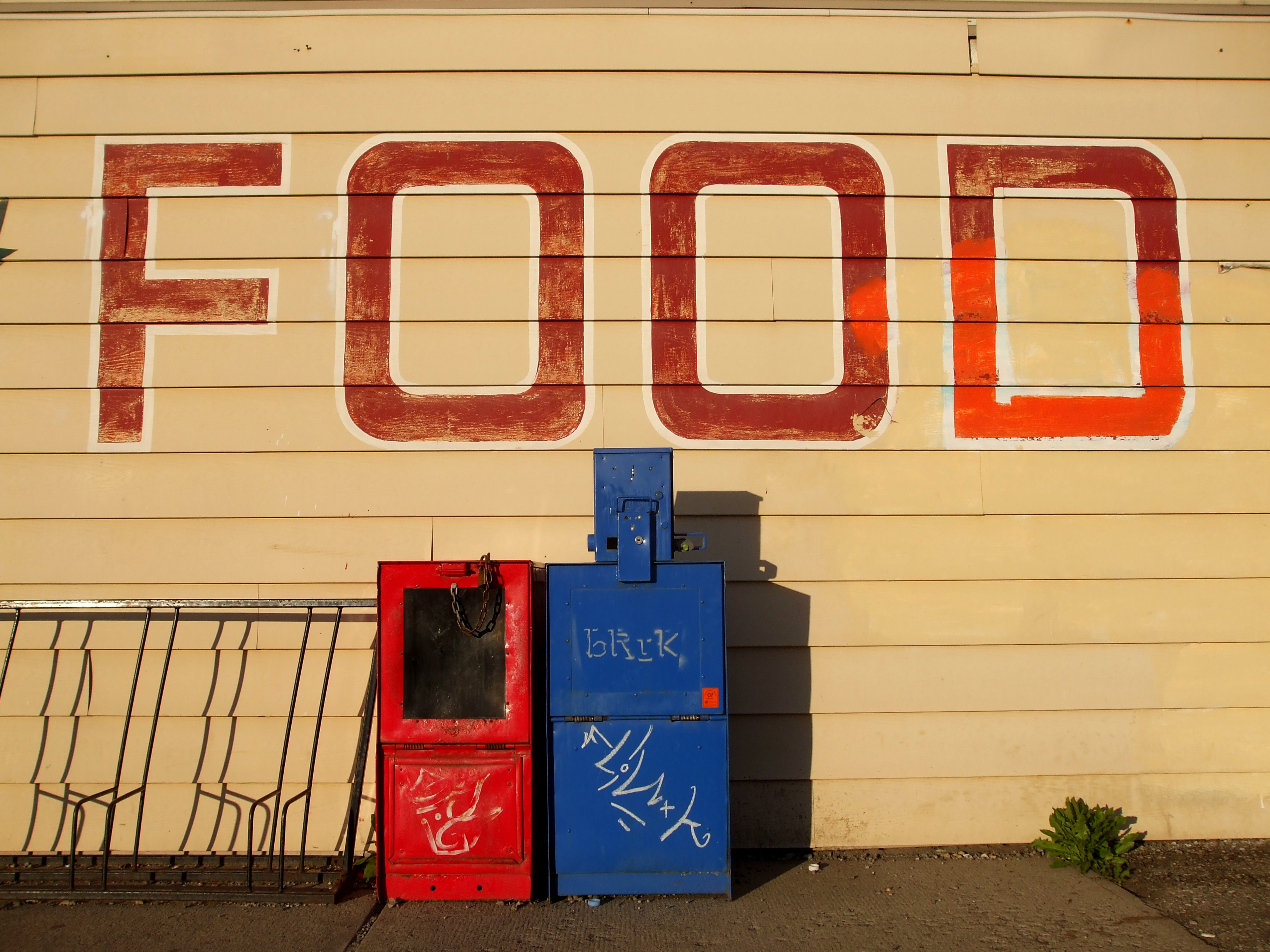
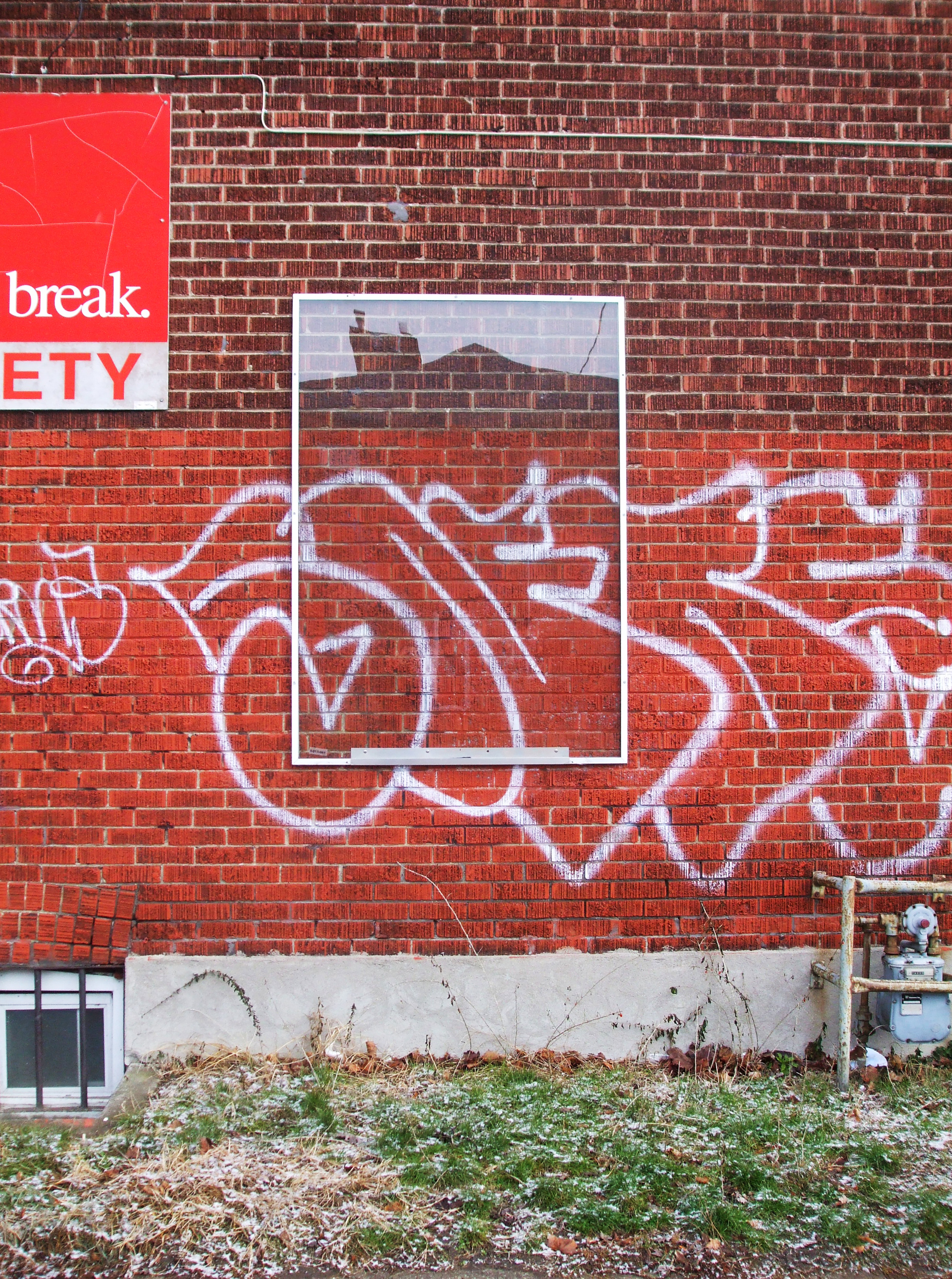
Red and Blue Series: break ETY
Drawing in Reality
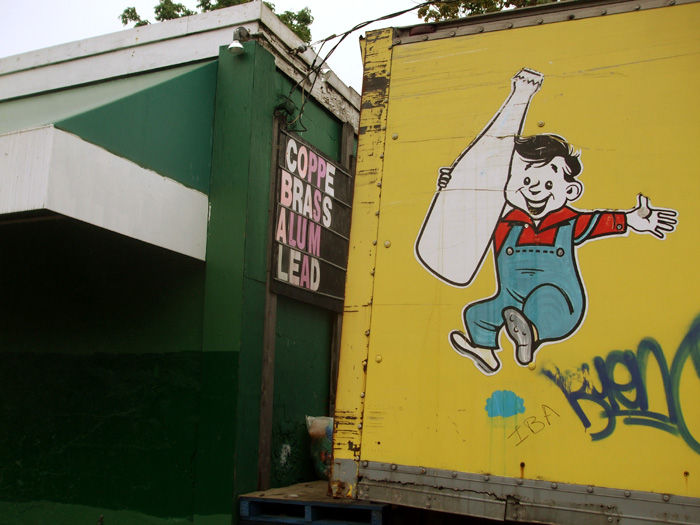
It’s like a way of drawing in reality.” – Gabriel Orozco on photography (See the PBS series Art 21)
The Gordon Matta Clark Treatment
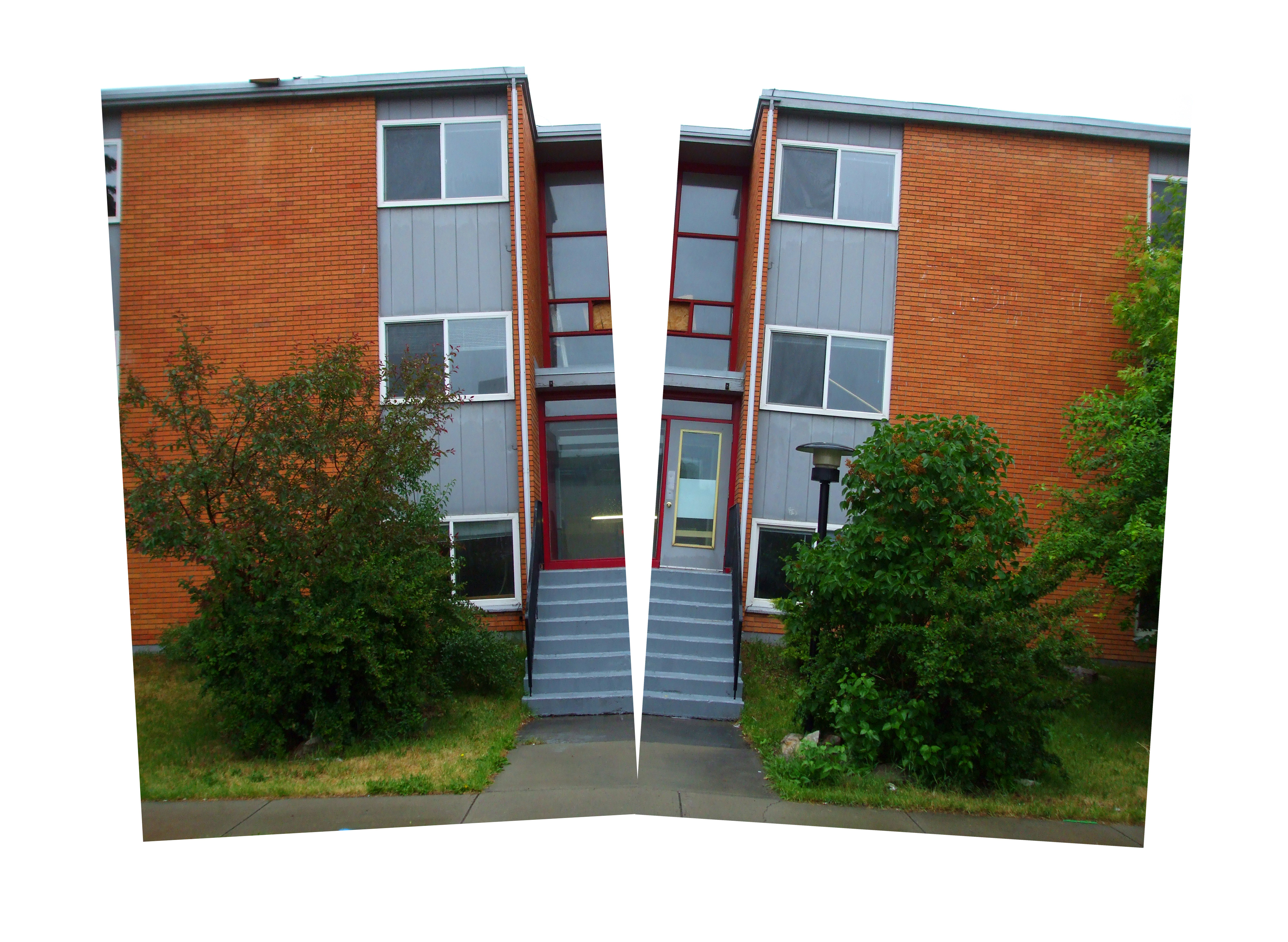
This building was abandoned for a while. Squatters had moved into some of the apartments. At the time this photo was taken, the squatters had been removed and renovations had begun. It might be a condominium now. I prefer it with the Gordon Matta Clark treatment.
Red and Blue Series: Homage to Jean-Luc Godard’s Pierrot Le Fou
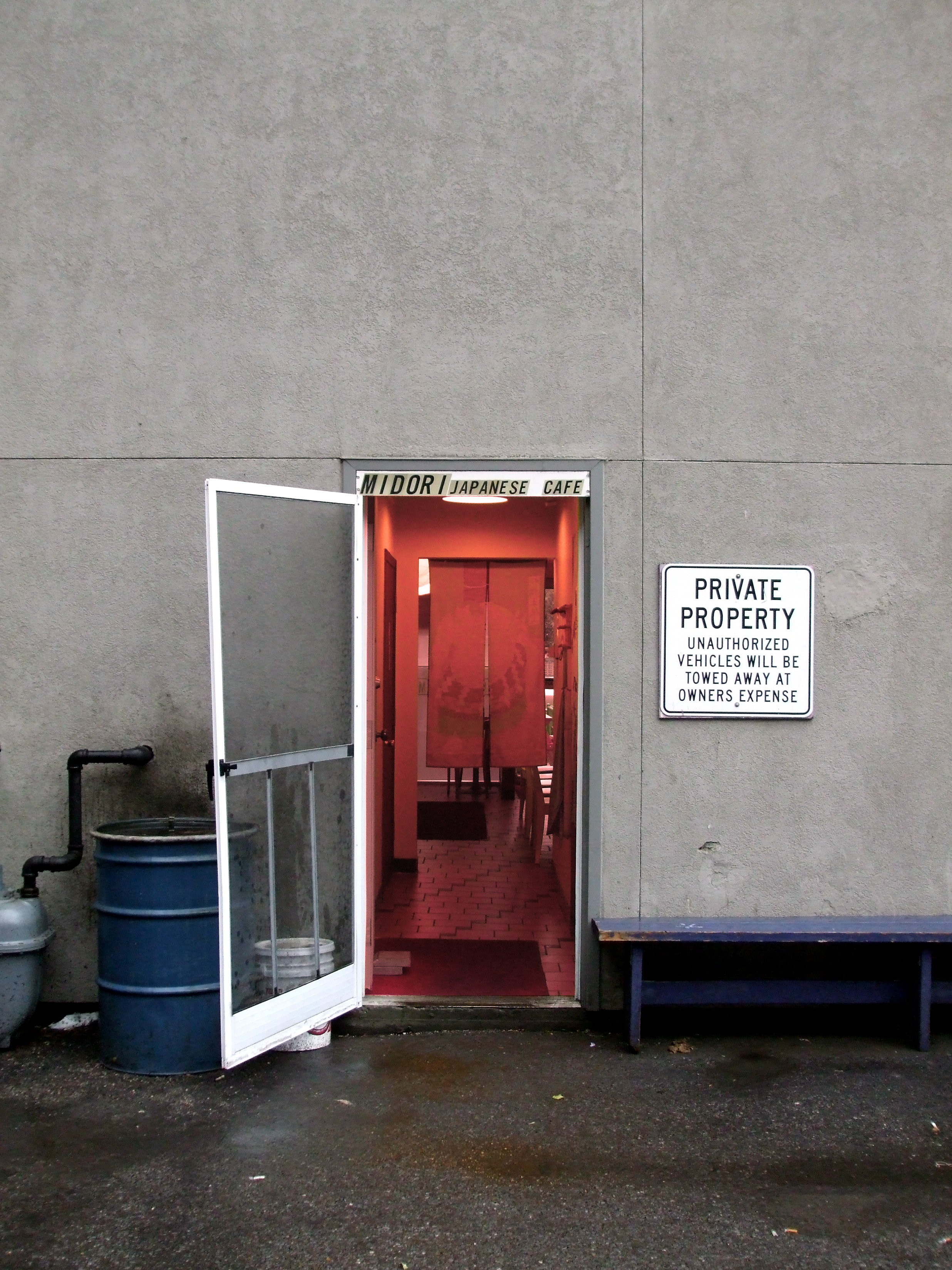
I recently watched a screening of Pierrot Le Fou, courtesy of the Calgary Cinematheque (www.calgarycinema.org) and the Plaza Theatre (www.theplaza.ca). Nancy Tousley gave an interesting talk prior to the screening drawing connections between the film, fine art (in particular painting) and comics. This photo is an homage in the use of colour – the red and blue that predominates in the film…and in the depiction of the open door… an invitation for the imagination.
Ferdinand: “Why do you look so sad?”
Marianne: “Because you speak to me in words and I look at you with feelings.”
 Edward Lewis