Author: Edward Lewis
Edward Lewis is an artist, writer, and photographer.
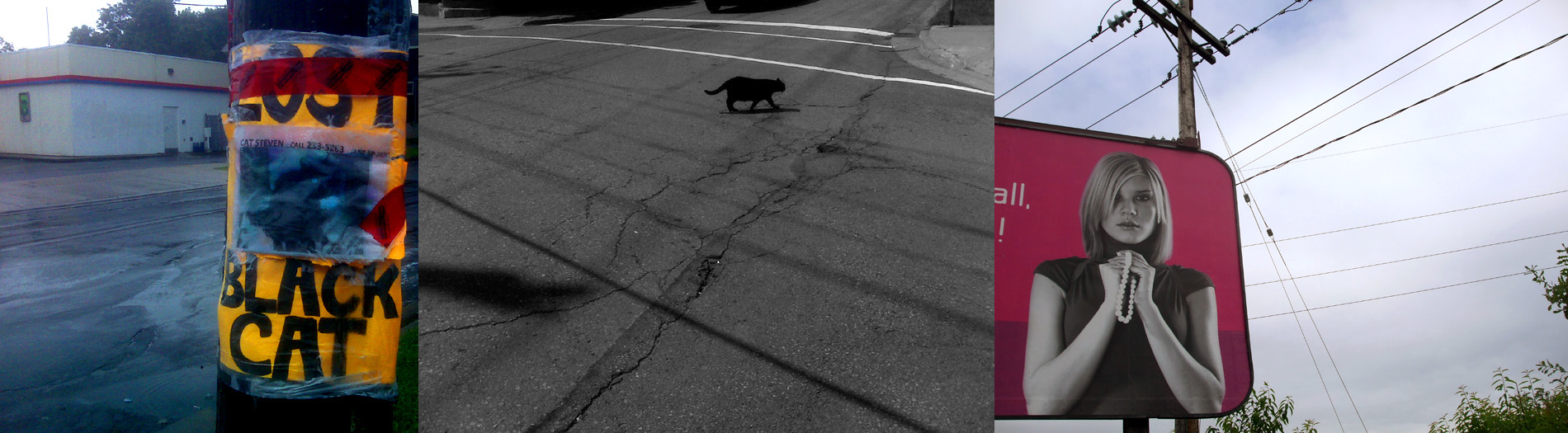
Lost Black Cat Triptych
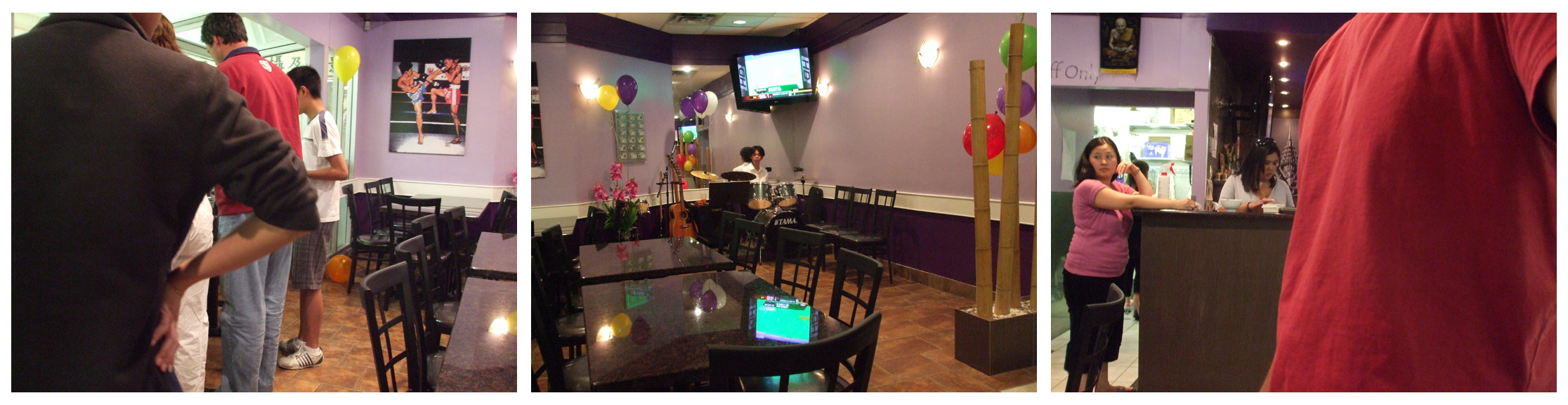
Restaurant Triptych
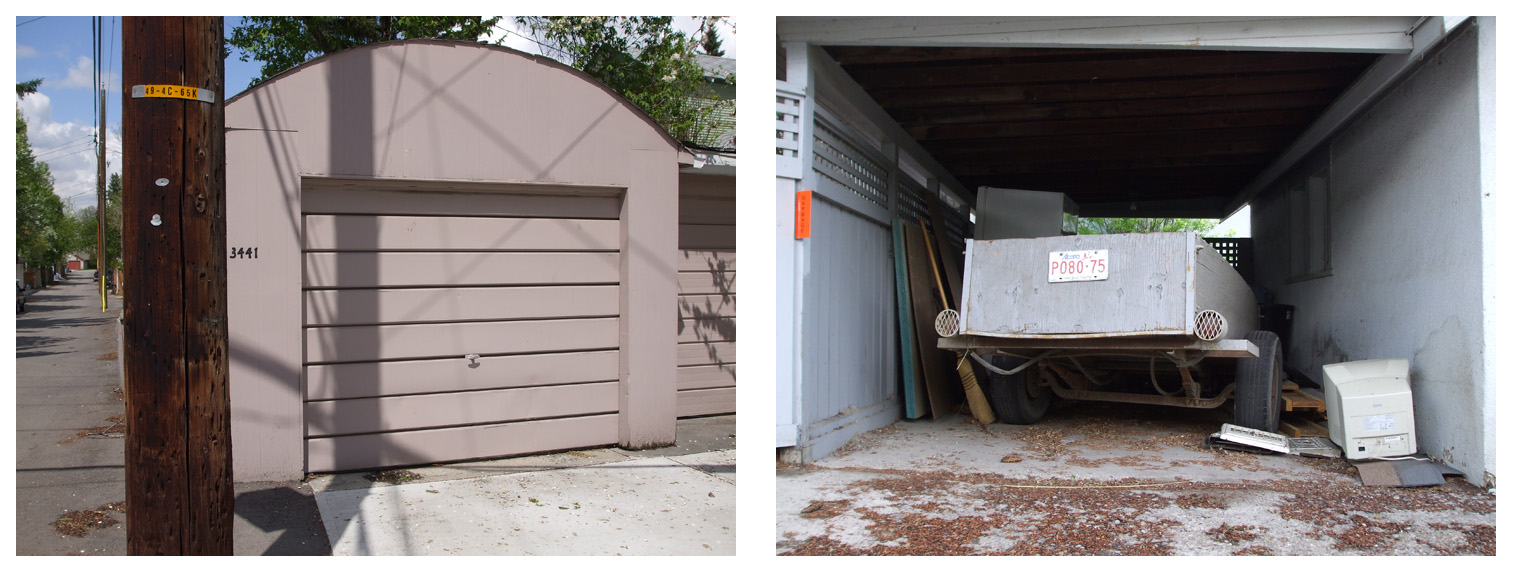
Back Alley
Usually when I think of photographs I think of them as somehow singular and self contained. Photos in a photo album (digital or otherwise) present themselves discretely,even if they share a similar subject matter: they’re intentionally grouped not intentionally relational. The exceptions that come to mind are Bernd and Hilla Becher, David Hockney’s cubist photos and the work of Duane Michals. I’m sure there are others.
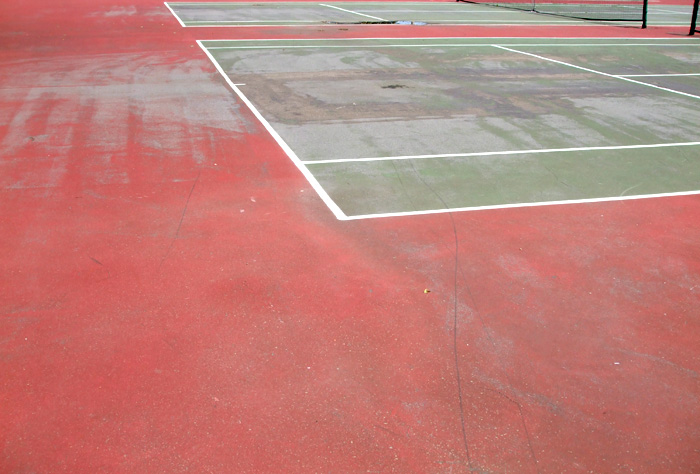
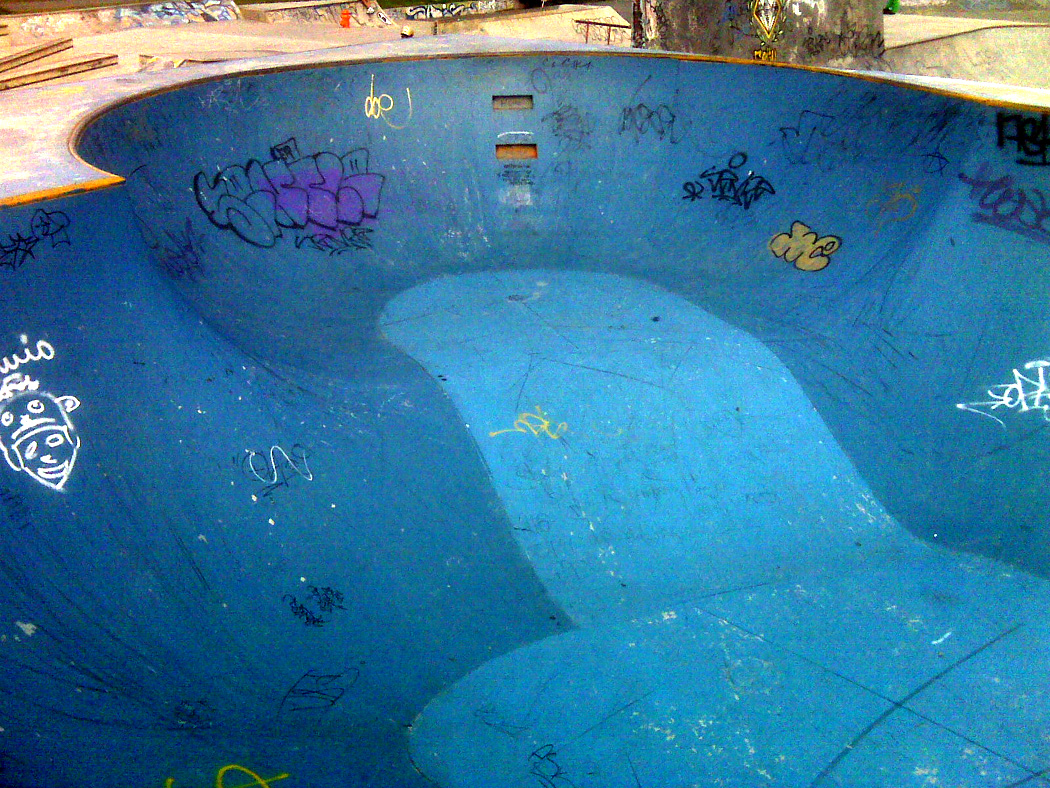
I’m not entirely sure what I’m doing when I group photos, in that I haven’t thought about it prior to, or at the time of shooting, but only afterwards when two and sometimes three images strike me as somehow working together. The three photos from the Thai restaurant work better together in that they give a clearer sense of what’s happening – also spatially they become more interesting. The missing cat triptych was created from photos taken in Halifax last summer. The image of the cat in the poster has been rendered indiscernible by water damage. The black cat happened to be crossing the street at the same time as me. The woman praying was from a billboard advertisement for MicMac mall. There were a series of them up throughout the city with a pseudoreligious, or perhaps religiously capitalist, theme. The two photos from the alley work together by creating a stronger sense of dimensionality.
Parking Lot
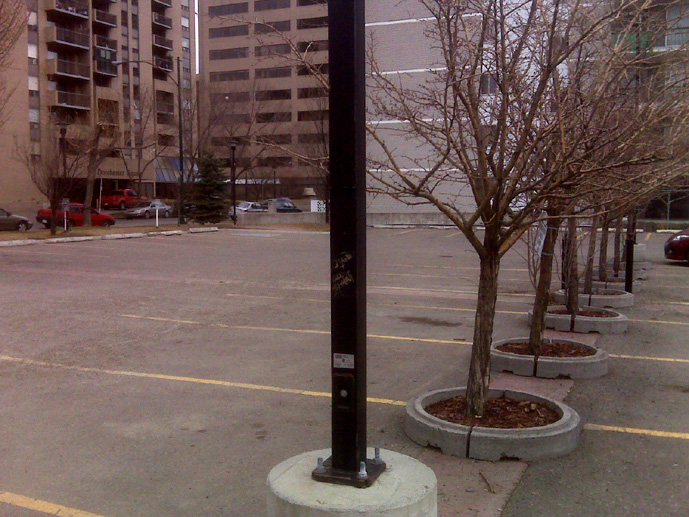 Here I’m trying to disrupt the way single point perspective is read in a way that is similar to the photos of walls, where two walls intersect in a corner, . With the corner shots the mind goes back and forth between wanting to read the image as flat or as receding, animating what would otherwise be a static image. Here the pole serves a similar purpose, but divides the image in a way so that it reads like a collage.
Wall
City walls, especially the walls of commercial buildings, are a kind of canvas that are worked on by multiple authors. Sometimes the authors are in conversation with each other, as with the graffiti writers and those who remove it. Often the walls are used to communicate some message – often prohibitory, sometimes declarative, occasionally persuasive. Time and light are authors. In one image a dialogue can be created between bureaucratic signs, street art, shop keepers signs, surface texture, colour, materials, colour, light and shadow. The dialogue is captured and created by the parameters of the frame – the components of the dialogue preexisted the photograph but were not necessarily in conversation, or relation, with each other.
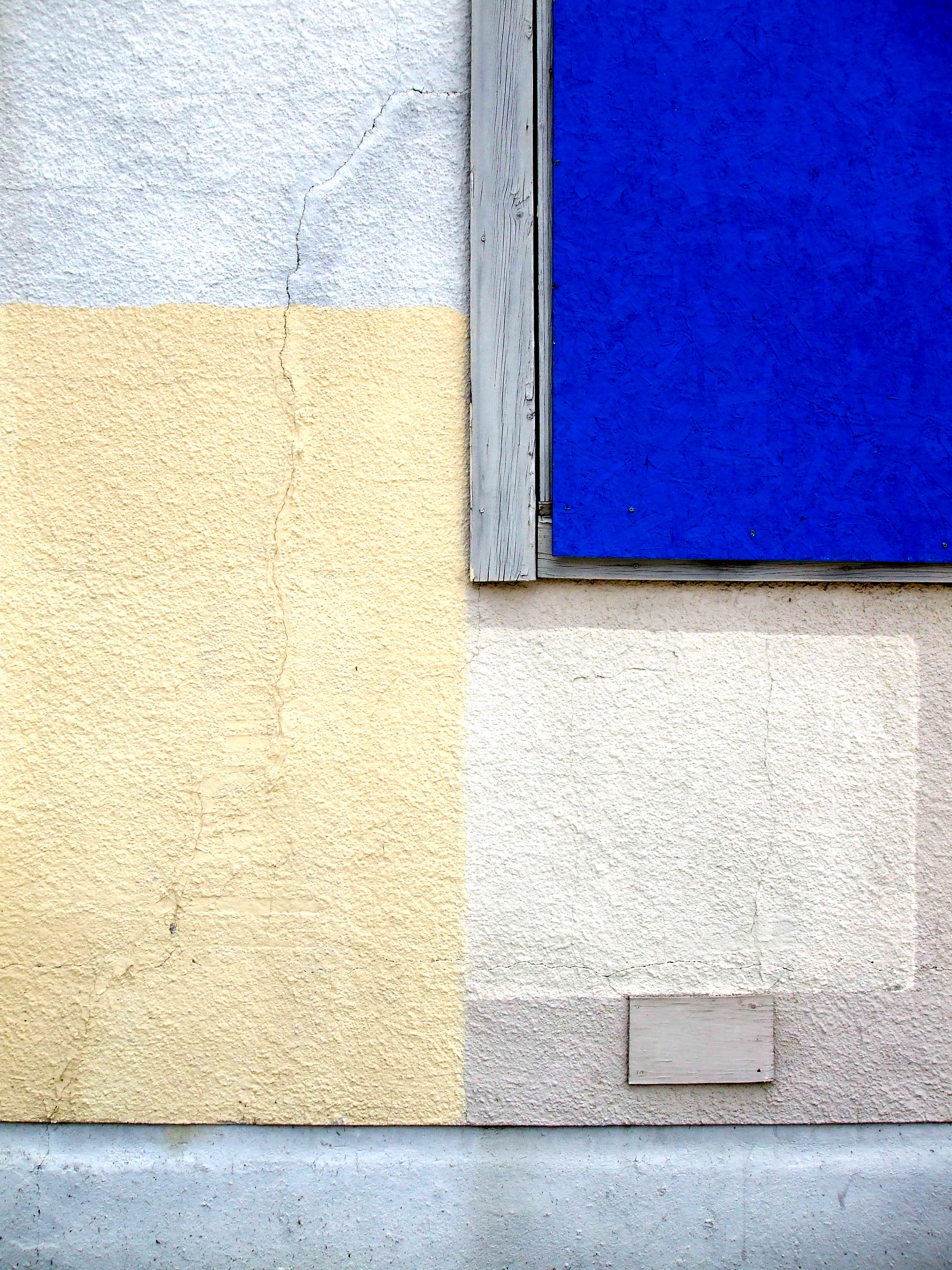
Wall: (with door)
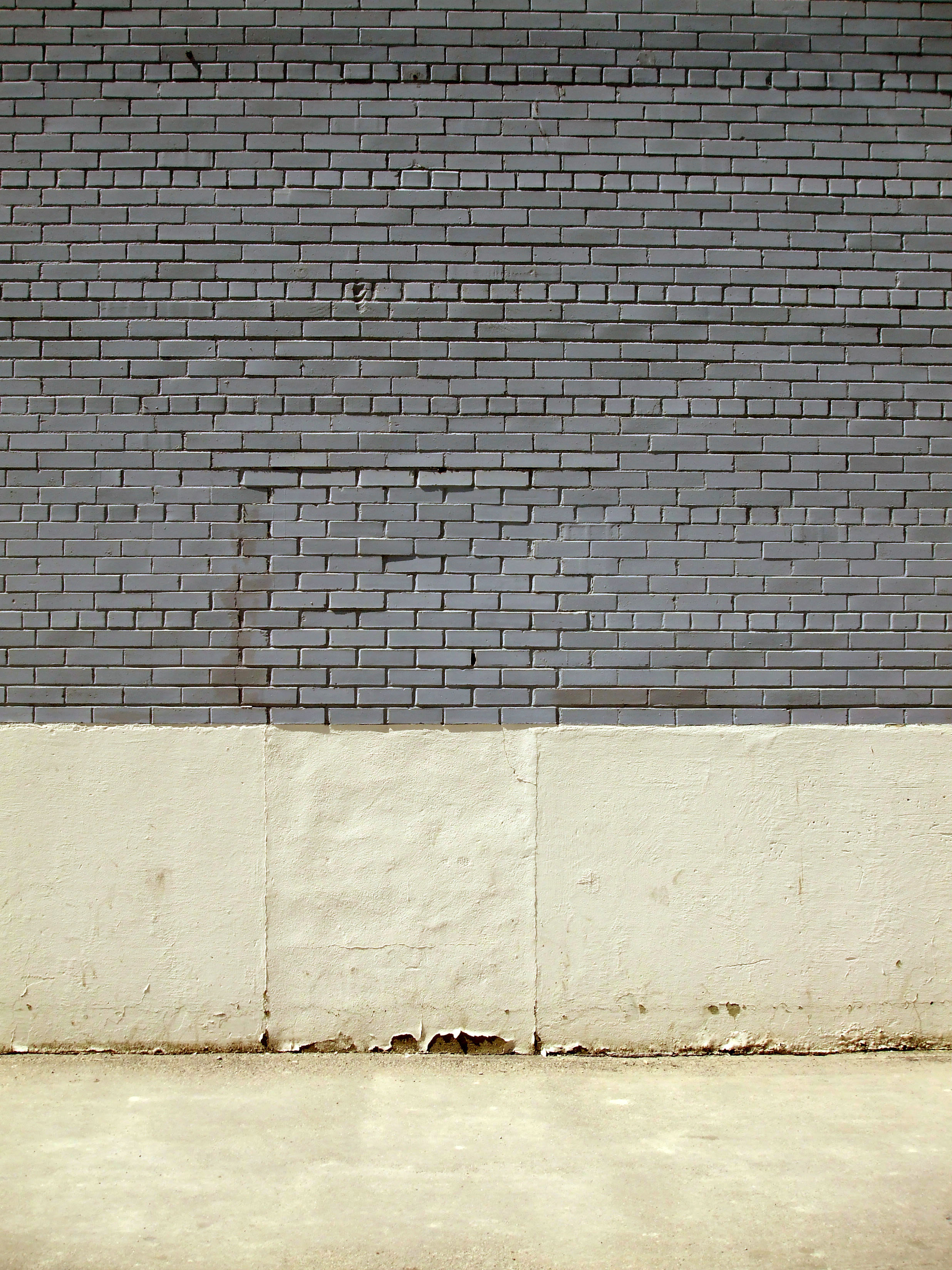
Wall: AAA
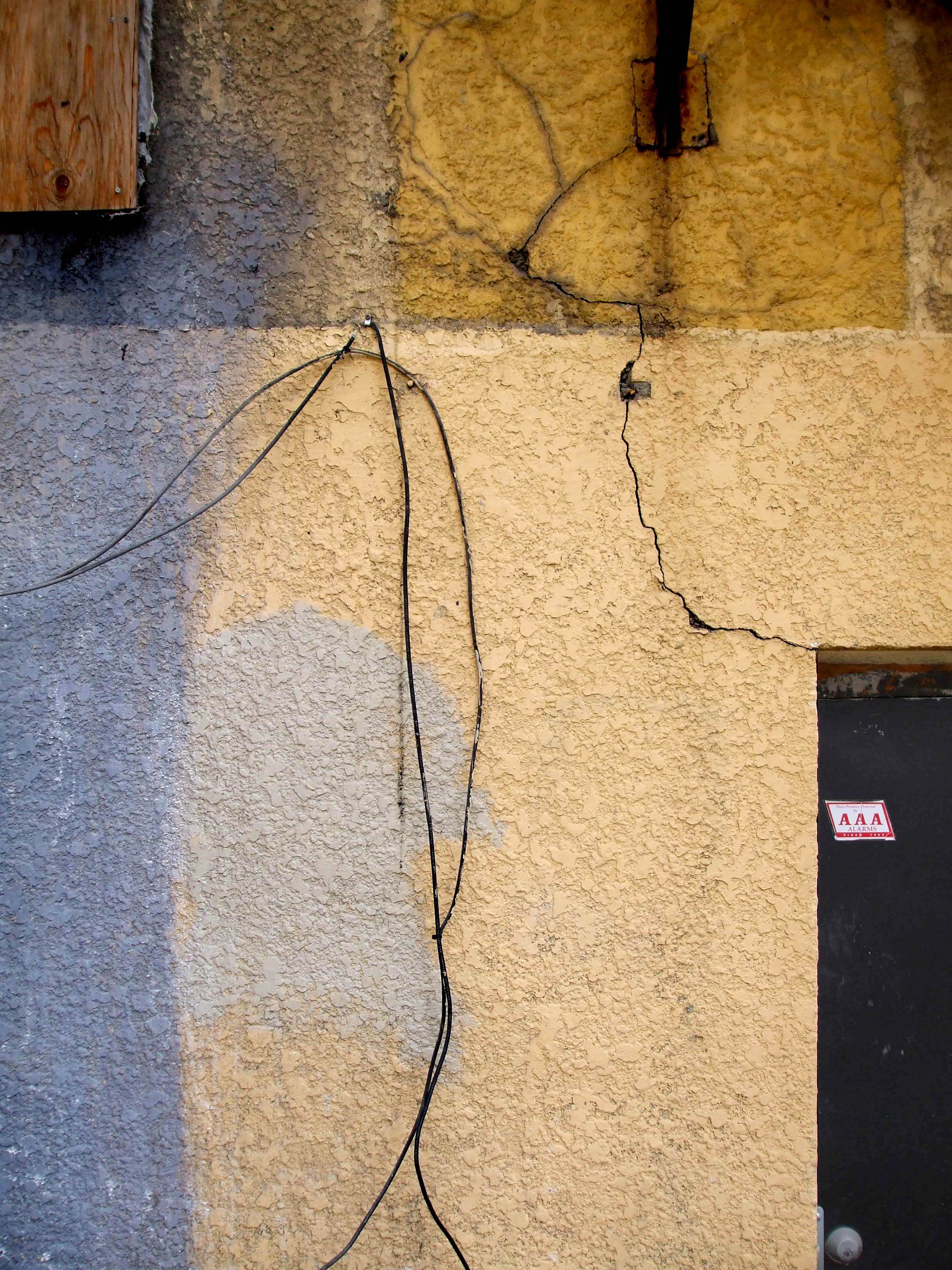 “I’d advise anyone to do something they are really passionate about, rather than speculating about what other people might be interested in. That way…you at least know that you were working on something that meant something to you.” – Thomas Demand
Wall: #12101012
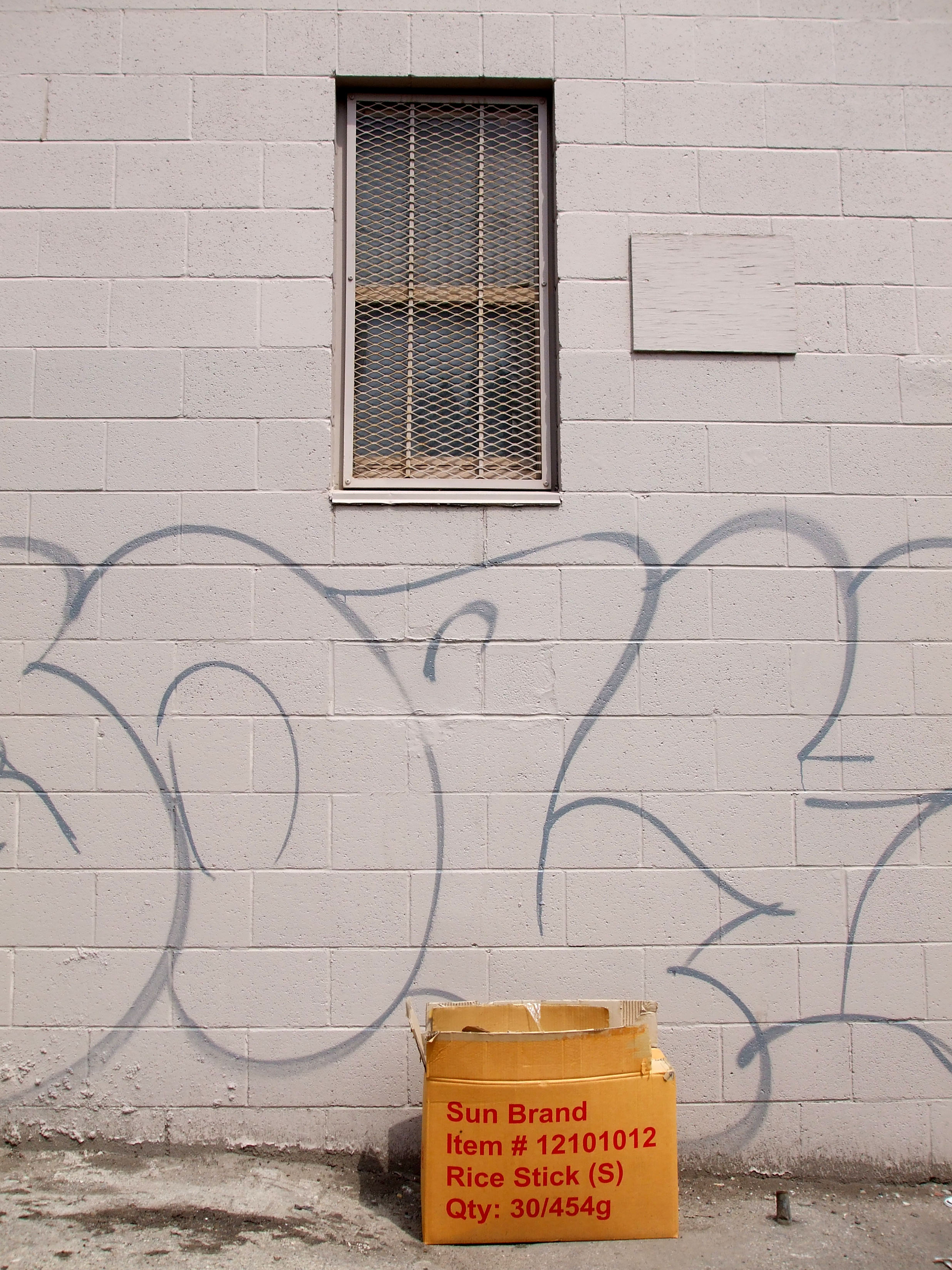 “…beauty is not about how elegantly someone can draw, or what material they used, or how their piece is situated in space, but essentially it’s a very elegant thought, which hardly needs a thing in order to be articulated” – Thomas Demand
 Edward Lewis